There's Nothing Mild About a Mild Traumatic Brain Injury (mTBI)
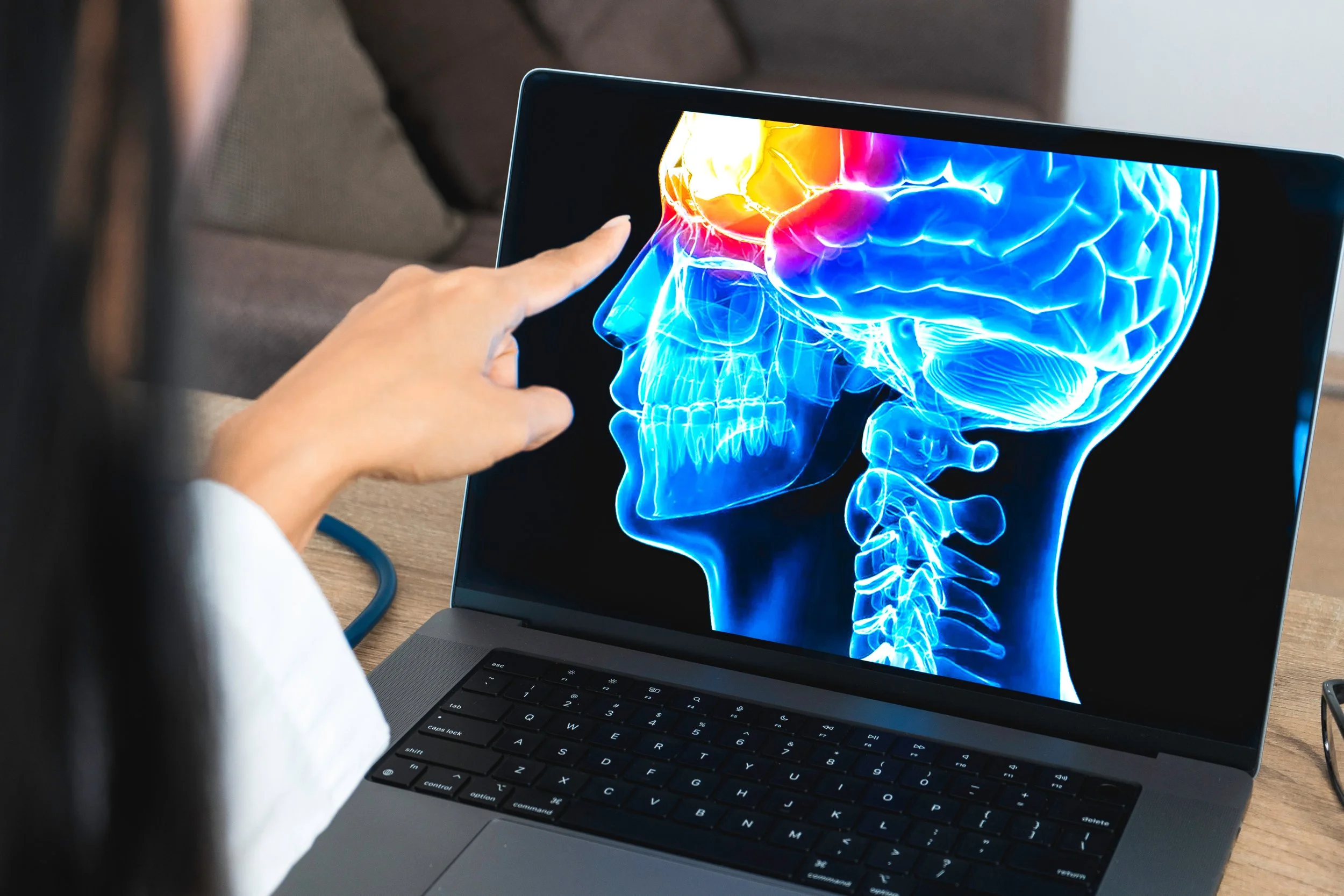
If you’ve been told you have a “mild” traumatic brain injury or a concussion after an accident, you might be wondering why you feel anything but mild. Maybe the ER sent you home, your scans were “normal,” and yet you’re still dealing with headaches, brain fog, or mood changes that aren’t going away. You are not imagining this, and you are not alone.
Doctors use the word “mild” to describe what they see in the first hours after the injury—things like how long you were unconscious (if at all) and whether you were responding to questions. It does not mean your symptoms are small or that the impact on your life will be short-lived. You can have what’s called a mild brain injury on paper and still struggle to work, take care of your family, or recognize yourself in daily life.
Common problems after a mild brain injury include constant or on-and-off headaches, dizziness, feeling unusually tired, or being sensitive to light and noise. Many people notice they can’t focus like they used to, forget what they were about to say, or feel “slower” when thinking things through. Sleep can be a mess, and it’s very common to feel more irritable, anxious, down, or overwhelmed. On the outside, you may look totally fine, but inside nothing feels normal.
For some people, these issues improve in a few weeks. For others, they drag on for months or longer. That can mean missing work, struggling to keep up with your job, or having to cut back hours. It can strain relationships when loved ones don’t fully understand why you’re different or when you can’t do everything you did before the accident. The word “mild” often causes others to underestimate what you are living with, even when your day-to-day reality is anything but mild.
Unfortunately, treatment options for mild brain injury can be limited and frustrating. There is no simple pill or quick procedure that “fixes” the brain, and some people are told to just rest and wait it out. Certain therapies—such as vestibular rehab, vision therapy, cognitive rehabilitation, and counseling—can help, but they are not always easy to access, may not be fully covered by insurance, and improvements can take time. For some individuals, symptoms never completely disappear and can have lifelong effects on memory, thinking speed, mood, and energy, influencing career paths, relationships, and independence long after the original injury.