Back Surgery Outcomes May Include FBSS
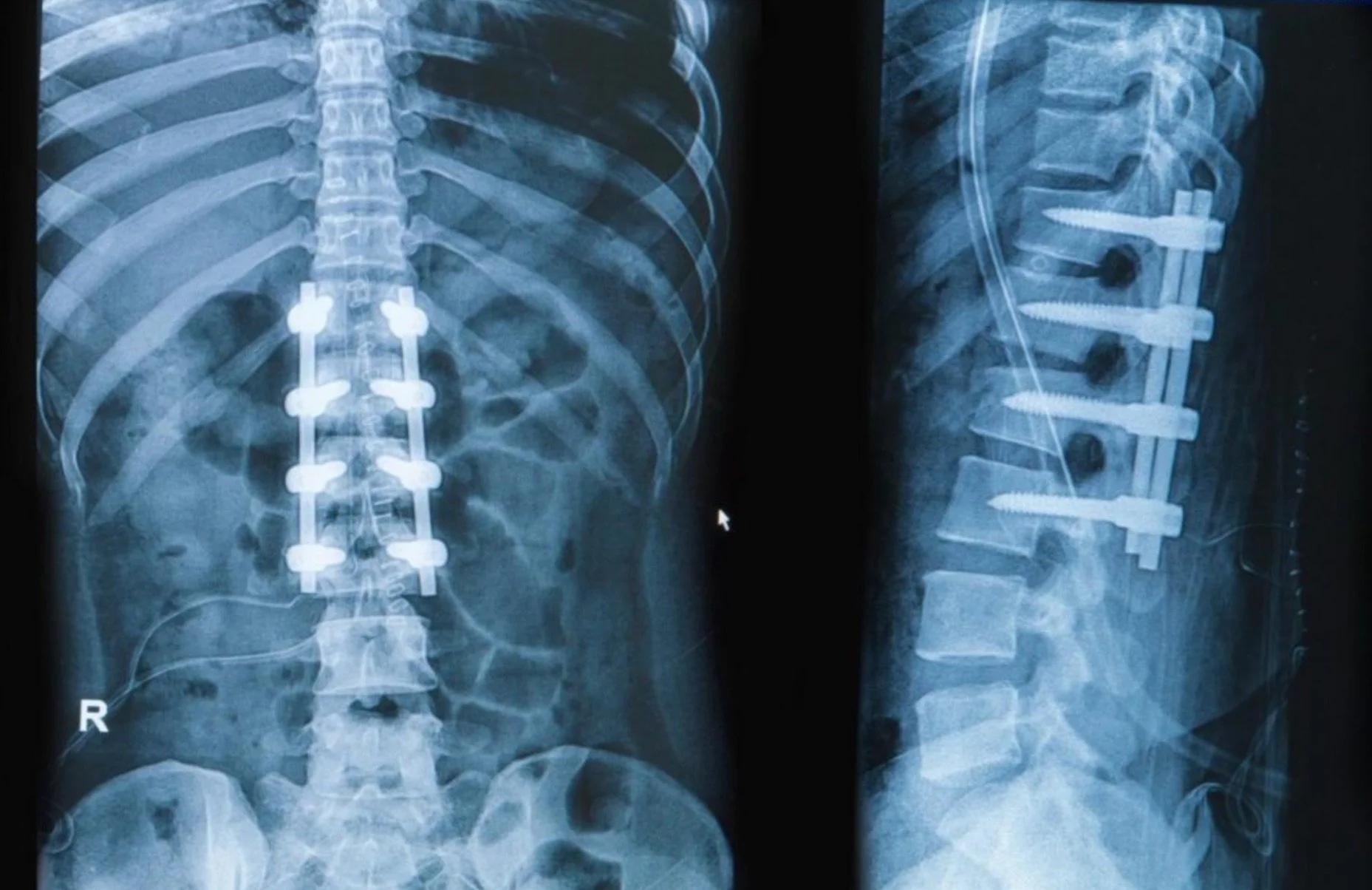
Surgeons in the U.S. performed approximately 1.5 million spinal fusions in 2023 (click here for source article). Unfortunately, for some people with low back pain, pain persists despite surgery. The International Association for the Study of Pain calls this “Failed Back Surgery Syndrome” (FBSS). There are various potential contributors to FBSS. A patient’s history of anxiety, depression, or other psychosocial factors appears to strongly correlate with development of FBSS. Another significant risk for FBSS occurs when surgeons operate on the wrong vertebra or only operate on one vertebra even though the pain occurs at multiple vertebral levels. Low back surgery can lead to discs adjacent to implanted hardware bearing more of a body’s load giving rise to FBSS. Surgery also has the potential to cause new pain from nerve damage. Or scar tissue develops in the spine which impinges on nerves causing pain. As with all pain management, conservative treatments are always recommended prior to invasive techniques. Currently, there are insufficient studies on conservative treatment of FBSS. Nerve block and epidural injections may be used diagnostically and to treat FBSS. There are only weak evidence-based studies regarding the effectiveness of epidural injections for FBSS. By contrast, there are large, randomized studies providing strong evidence of the benefits of spinal cord stimulators for treating FBSS. Even spinal cord stimulation will only provide long-term pain relief for about 40% of patients. Sadly, FBSS is very difficult to treat and to live with.