When Social Media Design Creates Liability
LA Jury Verdict on Social Media Addiction
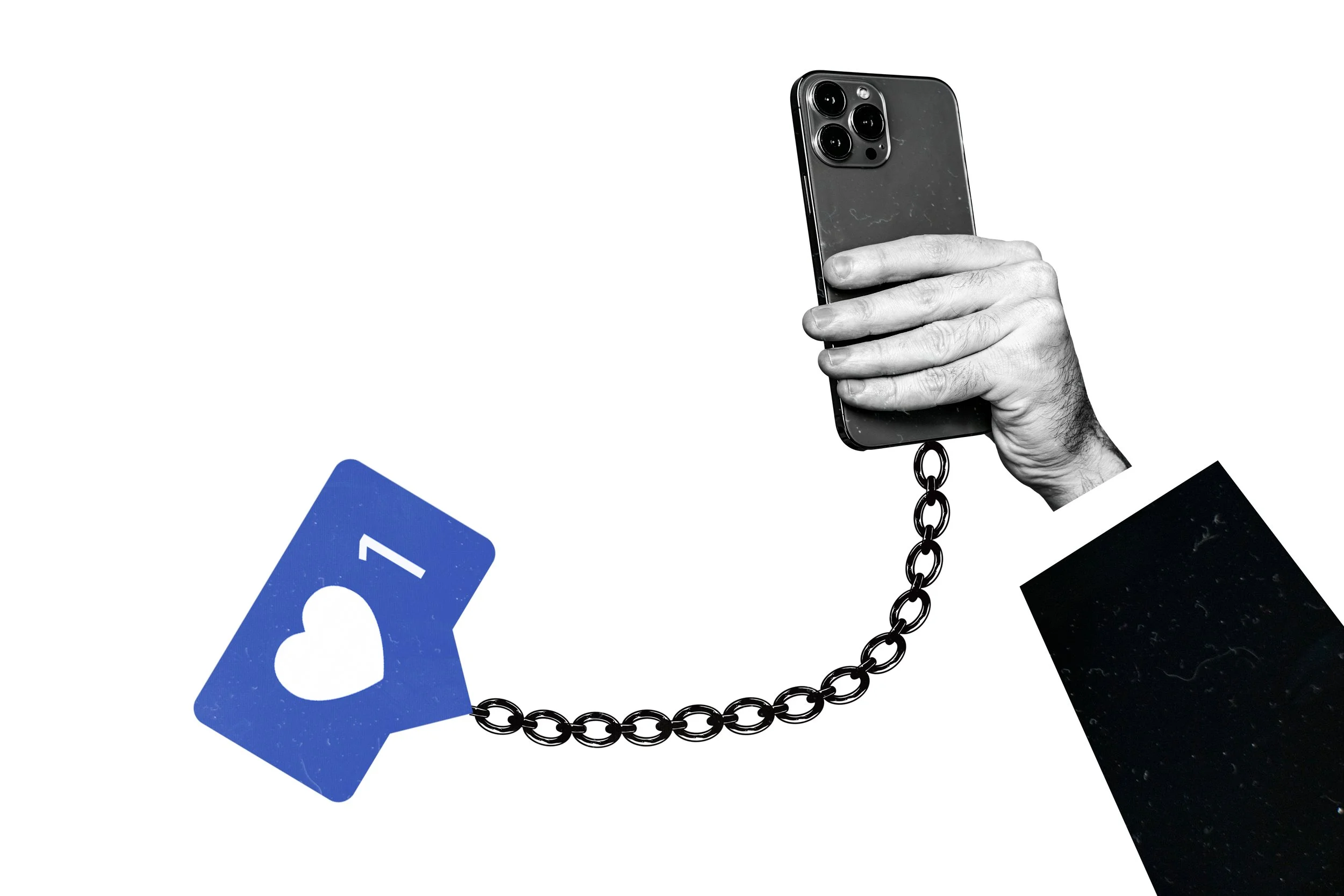
A Los Angeles jury recently ordered Meta (Instagram) and Google (YouTube) to pay $6 million to a young woman who said social media harmed her mental health. She began using these apps as a child and claimed that endless scrolling, constant notifications, and targeted content led to compulsive use, depression, and anxiety. The jury agreed that these platforms are not just neutral tools, but products that can be unsafe when aimed at children without proper protections.
This case is important because it applies familiar principles from product liability law to social media. The jury found that Meta and Google did not act with reasonable care in designing their apps and failed to provide clear warnings about the risks to children and teens. By assigning most of the responsibility to Meta, the jury signaled that internal design choices—such as how feeds function and how frequently notifications are delivered—can be evaluated under traditional negligence standards.
For parents, schools, and young people, this verdict sends a clear message: concerns about “social media addiction” now have legal grounding, not just medical or cultural support. While the $6 million award may be relatively small for these tech companies, the finding of negligence and unsafe design could influence thousands of similar cases nationwide and accelerate the push for new safety regulations. Our firm is closely monitoring these developments and is available to speak with families or institutions that believe harmful social media design has contributed to serious mental health issues.