The Hidden Wounds of High-Voltage Electrical Injury
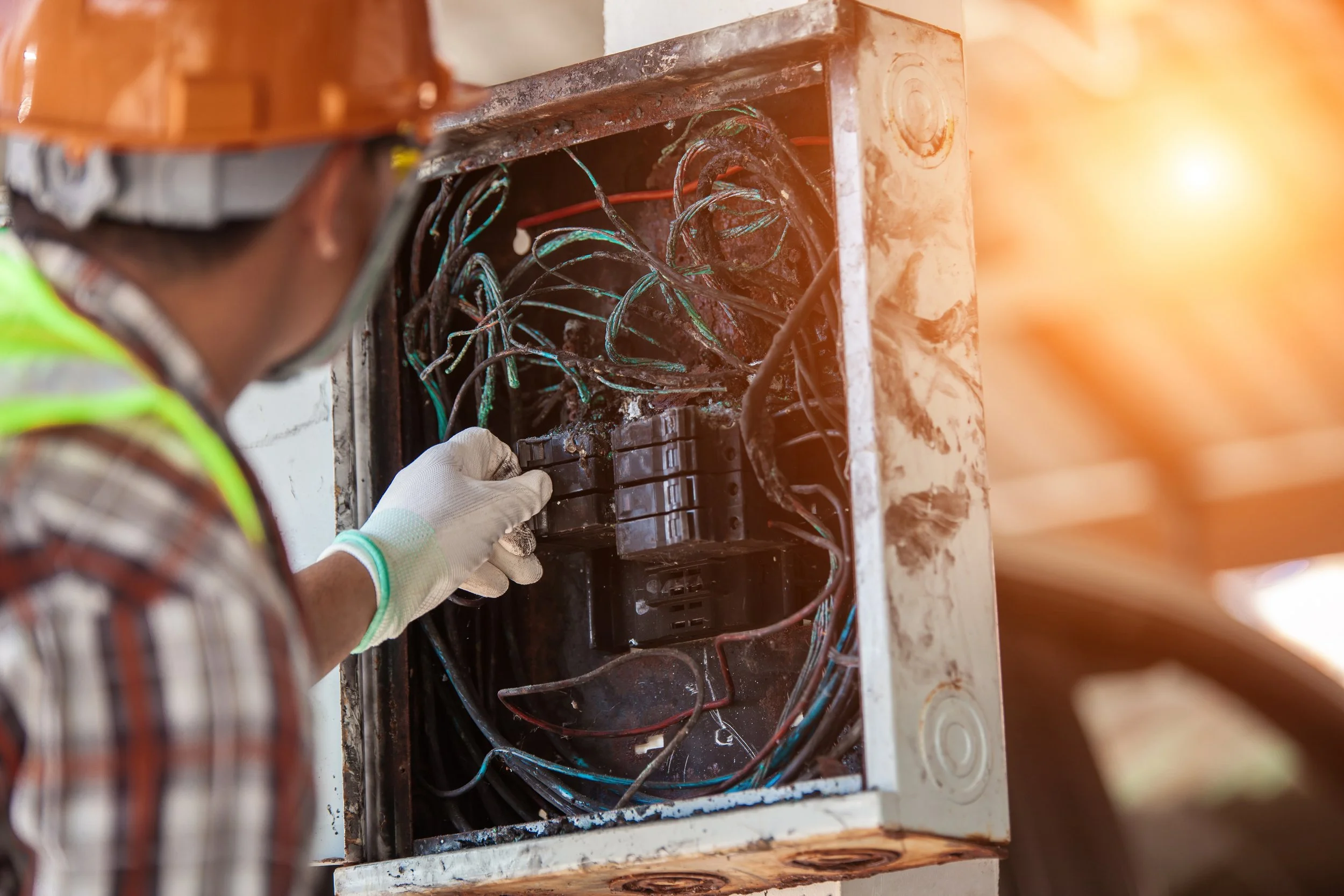
Why an Injury You Can't See Can Still Change Everything
When most people picture an electrical injury, they picture a burn. What they don't picture is a heart that stops for no visible reason, a brain that no longer works the way it used to, or pain that never turns off — all from a body that, from the outside, may show barely a mark. High-voltage electrical injuries are among the most misunderstood injuries in personal injury law, precisely because the worst of the damage so often happens where no one can see it. At McElroy Parris Trial Lawyers, we have spent years representing people whose lives were upended by traumatic brain injury and chronic pain, and electrical injury cases sit squarely at the intersection of both.
These injuries are also more common than most people realize. Every year, thousands of people in the United States are shocked seriously enough to require emergency care, and roughly a thousand die from electrical injuries annually — many from high-voltage exposure involving power lines, industrial equipment, or utility work. Electrical injury remains one of the leading causes of death on the job, and it frequently injures children at home as well.
What Happens Inside the Body
Electricity does not simply burn the skin at the point of contact — it travels through the body, following the tissues that conduct it most easily: blood, nerves, and muscle. Skin, fat, and bone resist current far more, which means the current often does its worst damage on the inside, along whatever path it takes from one contact point to another. This is why the size of a burn tells you almost nothing about how badly someone was actually hurt. A person can have an unremarkable mark on the skin while the nerve, muscle, and blood vessel tissue beneath it has been severely damaged along the entire pathway the current traveled — and some of the most serious nerve and brain effects don't even appear until days, weeks, or years later.
Two Injuries We Know Well: Brain and Chronic Pain
Traumatic brain injury is one of the most serious, and most often overlooked, consequences of a high-voltage shock. When current passes through the head or across the body — hand to hand, or hand to head — it can injure brain tissue directly or indirectly through the fall, loss of consciousness, or cardiac event that so often accompanies a serious shock. The result can be memory loss, poor concentration, personality change, and depression — the same hallmarks of TBI we see throughout our brain injury practice. As with a blow to the head, there is nothing "mild" about a traumatic brain injury caused by electricity.
Electrical injury is also a recognized pathway to chronic pain conditions like Complex Regional Pain Syndrome (CRPS) and lasting nerve damage. Because current travels along nerves, it can leave them permanently altered — misfiring, hypersensitive, or damaged — long after any burn has healed. That pain is not "in someone's head"; it reflects a nervous system physically changed by the injury. Yet because it is invisible on an x-ray, it is easy for a skeptical insurance company to dismiss.
A Whole-Body Injury With No Predictable Outcome
A serious shock can affect nearly every system at once — heart rhythm, muscle and kidney function, joints, skin, and mental health — making this rarely a single-injury case. It is also strikingly unpredictable: two people exposed to what looks like the same event can end up with entirely different outcomes, one recovering largely intact and the other permanently disabled. Medicine still cannot always explain why in advance, which is exactly why insurers often try to minimize claims that don't fit a simple, visible pattern — and why these injuries demand careful, individualized medical evaluation rather than assumptions.
The consequences rarely stay contained to the person who was shocked. A parent who can no longer work, focus, or manage pain reshapes the entire household around that reality, and families often face the added burden of explaining an injury that doesn't show up in a photograph.
Why These Cases Require a Team
Because a high-voltage injury can touch the heart, brain, nerves, muscles, skin, and mind all at once, no single physician can properly diagnose or treat it alone. Serious cases require coordinated care from cardiologists, neurologists, burn and trauma surgeons, pain specialists, neuropsychologists, and physical therapists working together over months or years. Building the legal case takes the same approach: assembling the right specialists to explain, clearly and credibly, everything that happened inside a body that, to the naked eye, may look like it came through relatively unscathed.
How We Approach These Cases
At McElroy Parris Trial Lawyers, attorneys Steve McElroy and Ashley Parris have tried more than one hundred civil jury trials together, and have built their practice around the two conditions that make electrical injury cases so challenging. Ashley has focused her practice on chronic pain, giving voice to victims too often dismissed by insurance companies. Steve has focused his practice on traumatic brain injury, including speaking at national TBI medical-legal conferences. If you or someone you love has suffered a high-voltage electrical injury, we encourage you to reach out for a free, confidential consultation.